EPC vs Direct Procurement for Utility-Scale BESS
EPC vs direct procurement for utility-scale BESS projects — accountability, contract complexity, pricing, and bankability considerations from a CTO's perspective.
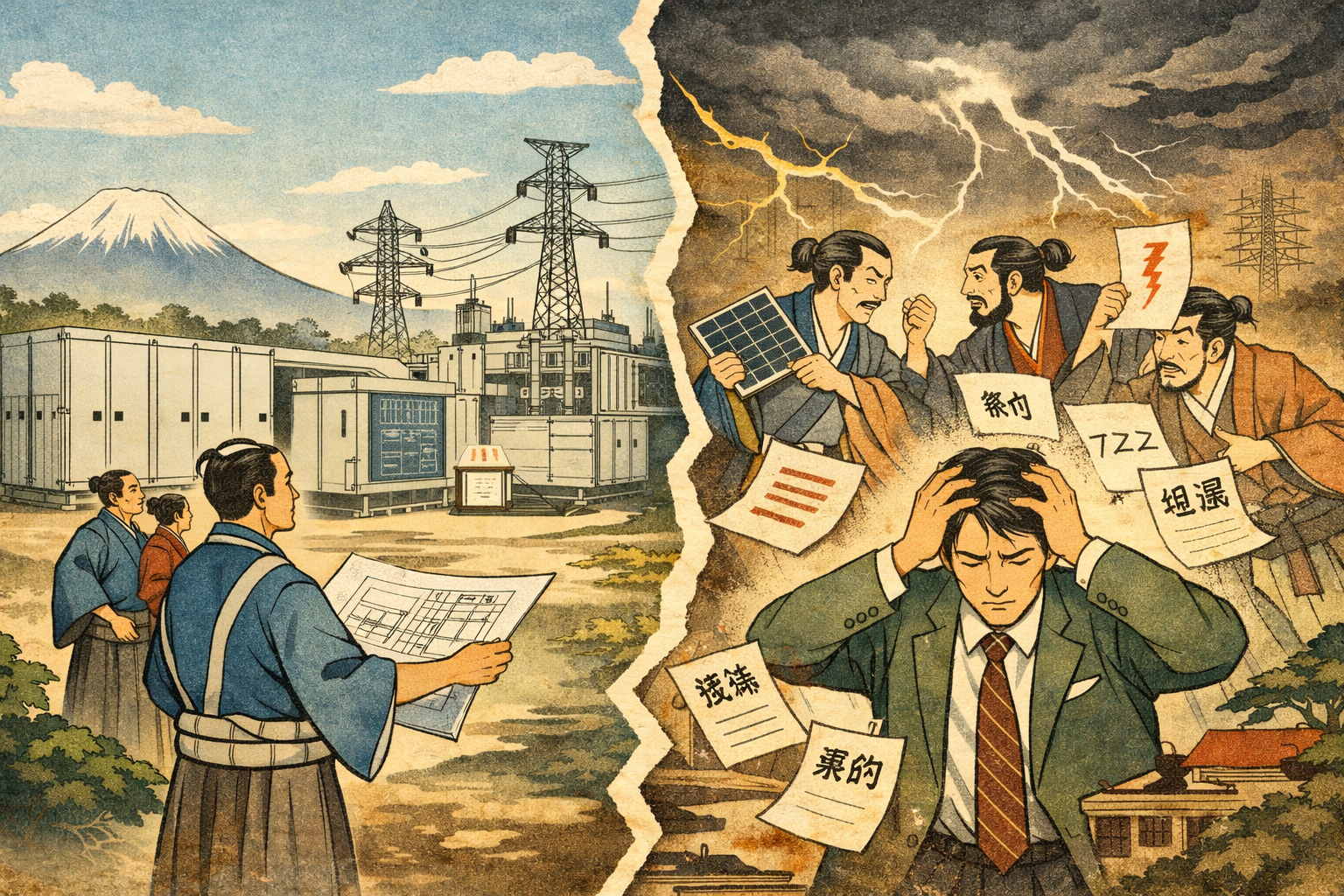
I regularly meet investors considering direct procurement for utility-scale BESS projects. As CTO of a Nordic EPC contractor and system integrator, I’m obviously biased, but here’s my honest take. 🔋
If an asset owner has the internal experience and delivery organization to manage integration, risk, and full project responsibility, direct procurement can absolutely make sense.
But many underestimate what that actually requires:
- Accountability. Who owns system integration and performance when multiple suppliers are involved? An EPC carries that under one contract.
- Contract complexity. Aligning separate agreements for DC blocks, power conversion, MV/HV substations, controls, and balance of plant takes significant effort and expertise.
- Delivery organization. Managing high-stake BESS projects demands dedicated engineering resources. Without in-house application engineers, you’re stuck relying on external consultants, and we all know how that tends to go.
- Pricing. EPCs with GW/GWh-scale frame agreements may offer more competitive pricing than expected.
- Bankability. A bankable EPC partner takes responsibility for the complete delivery and brings the supply chain expertise to evaluate bankability across all equipment and suppliers.
In my experience, even equipment manufacturers prefer the EPC approach for the clarity it brings to the complete project.
It comes down to one thing: is your organization set up to carry the risk?
What’s your experience?
Read next in this series:
- Why BESS Equipment Manufacturers Prefer the EPC Approach
- Is Your Consultant Recommending Direct Procurement?
Drop a comment below or head over to LinkedIn to come share your thoughts directly on the original post: